
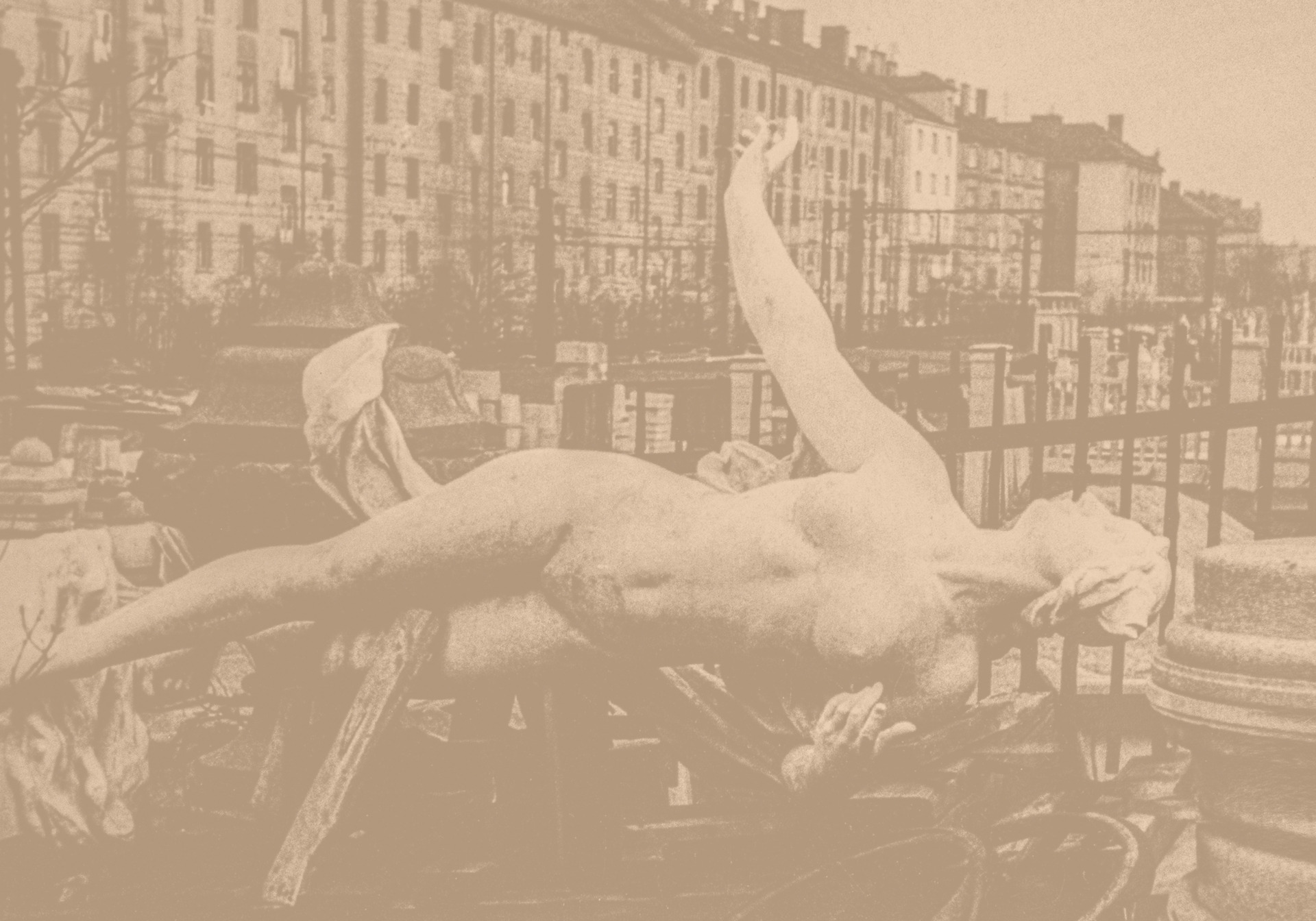
The Art Garden is a space that is truly unique in terms of its atmosphere and history, especially considering that it is located in the midst of the densely built-up Prague neighborhood of Nusle. It is a hidden garden featuring a variety of sculptures, lush vegetation, and an intricate network of paths and stairways, which together create a truly unique genius loci. The goal of the design is to sensitively enhance the garden’s specific character, highlight key areas, and give people the opportunity to truly spend time in the garden.
The concept is based on three fundamental pillars—the ARTISTIC, HISTORICAL, and BOTANICAL gardens.
ART GARDEN – PRINCIPLES FOR WORKING WITH ARTIFACTS
The sculptures—both the new ones and those weathered by time and overgrown with vegetation—undoubtedly account for much of the Art Garden’s charm. Currently, however, the sculptures and artifacts are scattered irregularly throughout the garden, without any apparent concept or system. We propose concentrating the sculptures only in certain areas so that they stand out more clearly against the empty spaces. In particular, they should surround the three main resting spots with pergolas, the “sculptor’s studio” next to the building, and also peek out randomly from the wild vegetation along the path. Modern sculptures will then be placed at both ends of the garden, symbolizing the beginning and end of the journey.
HISTORICAL GARDEN – INSPIRED BY HISTORY
The centerpiece of the garden is a sculpture studio surrounding a columned gazebo, evoking the atmosphere of Karel Novák’s studio, which operated here from the 1920s through the late 1940s. The space will be available to sculptors and other artists, allowing art to be created in the garden once again after a long hiatus. History also serves as inspiration for the design in other ways—the new wooden pergolas are modeled after the original pergolas seen in photographs, and a symbolic circle is embedded in the surface along the axis of the main promenade, similar to Otakar Kuča’s design from the 1990s.
BOTANICAL GARDEN – PRINCIPLES FOR WORKING WITH VEGETATION
The goal of the design is to enhance the existing qualities of the garden’s vegetation—particularly the unique combinations of different plant species and the atmosphere of semi-wild nooks with sculptures that emerge in certain areas. In principle, the unpaved area of the garden is divided into three categories based on
the proposed character of the vegetation. Richly flowering beds highlight and embellish three resting spots with pergolas. These areas will require the highest level of maintenance but will bring significant value in terms of both aesthetics and biodiversity. The flower beds contrast with open grassy areas, which offer visitors a sense of visual tranquility and a place to rest. The remainder of the space will be occupied by wild undergrowth consisting of ferns, shrubs, and climbing plants growing up the sculptures.


